

Common carpet cleaning mistakes Kentish Town landlords make
Posted on 12/06/2026
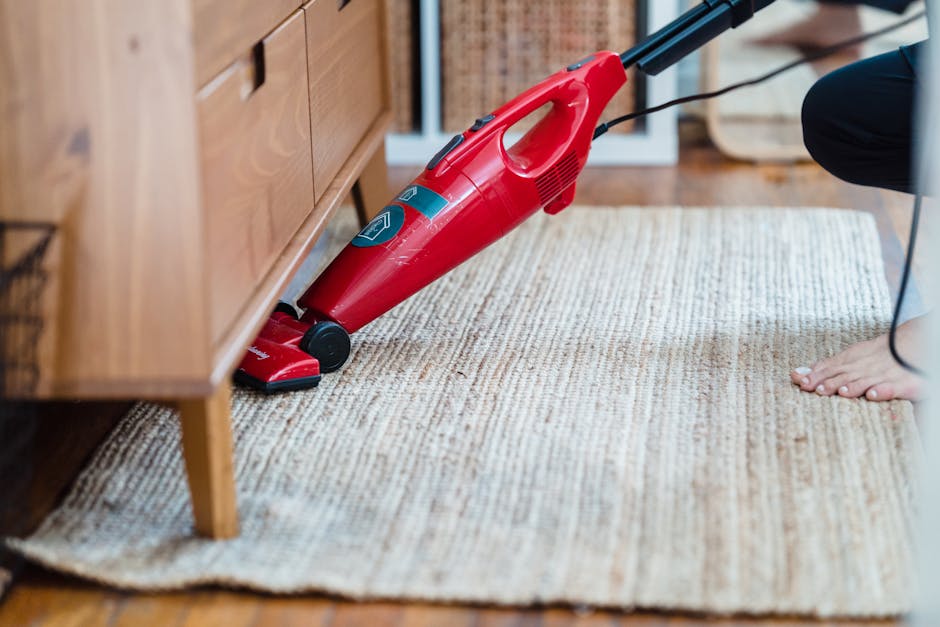
If you rent property in Kentish Town, carpet care can feel like one of those jobs that only matters when something goes wrong. A stain shows up after a hurried move-out. A tenant leaves a damp smell behind. A letting check raises an eyebrow because the hallway carpet looks tired, even though it was "fine last month". The truth is, common carpet cleaning mistakes Kentish Town landlords make often come down to timing, shortcuts, and poor handover planning rather than bad intentions.
This guide breaks down the errors that cost landlords time, money, and goodwill, and shows you how to avoid them without overcomplicating the process. Whether you manage one flat or several rentals, the aim is simple: better results, fewer disputes, and carpets that last longer. Not glamorous, but very useful.
- Why these mistakes matter
- How carpet cleaning should work in a rental property
- Benefits of doing it properly
- Who needs this advice
- Step-by-step guidance
- Expert tips for better results
- Mistakes landlords should avoid
- Tools and recommendations
- Compliance and best practice
- Methods comparison
- Real-world example
- Practical checklist
- Conclusion
- Frequently asked questions
Why Common carpet cleaning mistakes Kentish Town landlords make Matters
Carpets are one of the first things tenants notice and one of the first things a check-out inspector will compare against the inventory. In a busy rental market like Kentish Town, where flats can turn over quickly and expectations are high, a sloppy clean can lead to unnecessary friction. Sometimes it is just a dull patch near the sofa. Sometimes it becomes a full-on dispute about whether the damage was pre-existing. You know how these things go.
What makes carpet cleaning tricky for landlords is that it sits right at the crossroads of maintenance, presentation, and handover evidence. A decent clean supports a smooth move-in or move-out. A poor one can make a property feel neglected, even if everything else is in order. And once odours, staining, or fibre wear become visible, the cost of fixing the issue can rise fast.
There is also a practical side. Incorrect cleaning methods can flatten pile, spread stains, or leave residue that attracts dirt more quickly. So the mistake is not just "the carpet still looks bad". Sometimes the mistake causes the carpet to age faster. That is a painful one for landlords, because it sneaks up slowly.
How Common carpet cleaning mistakes Kentish Town landlords make Works
A proper carpet-cleaning process in a rental property is more than a quick vacuum and a strong-smelling spray. In most cases, it follows a fairly simple logic: inspect, identify the fibre type and stain type, choose the right method, clean carefully, dry thoroughly, then check the finish. Miss one of those steps and problems start piling up.
For example, a landlord might assume all carpets can be cleaned the same way. They cannot. A synthetic carpet in a one-bedroom flat may handle a different treatment from a wool-rich carpet in a period conversion. Likewise, a wine stain, pet accident, or muddy footprint needs different chemistry and dwell time. Use the wrong approach and you may lock the stain in rather than remove it. Annoyingly common.
Good carpet care also depends on the wider handover process. If you schedule cleaning before heavy furniture is removed, you leave shadowing and missed edges. If you clean after a tenant has already moved out but before repairs are done, dust and debris can undo the work. So the timing matters just as much as the product or machine.
If you are also dealing with other interior surfaces, it can help to think in terms of a full property reset rather than a single task. Many landlords pair carpet work with end of tenancy cleaning in Kentish Town or broader upkeep through domestic cleaning support, especially when a flat needs to be turned around efficiently.
Key Benefits and Practical Advantages
When carpet cleaning is done properly, the payoff is bigger than just a nicer-looking floor. The benefits tend to show up in day-to-day operations, tenant satisfaction, and long-term property condition.
- Smoother check-outs: Clean, documented carpets reduce avoidable disputes over wear and tear.
- Better first impressions: Fresh carpets make a rental feel cared for the moment someone steps inside.
- Longer carpet life: Regular, suitable cleaning removes grit and residue that slowly wear fibres down.
- Improved odour control: Helpful in flats where cooking smells, pets, or damp have lingered.
- Less reactive spending: Preventive cleaning usually costs less than emergency stain removal or early replacement.
There is also a quieter benefit that landlords often appreciate once they have experienced it: less stress. A clear, repeatable cleaning standard makes the handover calmer. Fewer last-minute panics. Fewer "Can you just sort this by tomorrow morning?" moments. Lovely, rare, but possible.
Expert summary: The best carpet cleaning approach for landlords is the one that matches the carpet, the stain, and the timing. Most mistakes happen when one of those three is guessed instead of checked.
Who This Is For and When It Makes Sense
This advice is most useful for private landlords, small portfolio owners, letting agents, and property managers who handle flats or houses in and around Kentish Town. It is especially relevant when a tenancy is ending, a new tenant is due in quickly, or a property has had a spill-prone period with heavy foot traffic.
It also makes sense if your property attracts short-term or frequent turnover. The faster the changeover, the more tempting it is to take shortcuts. But that is exactly when mistakes become expensive. A rushed job may look acceptable for a day or two, then the marks reappear once the carpet dries. That is the kind of thing nobody wants to discover on a rainy Tuesday.
Landlords buying or investing locally may also find this useful as part of their wider property care strategy. If you are interested in how condition affects long-term value in the area, it can be helpful to look at the broader context in this Kentish Town real estate investment guide or read more local perspective in why Kentish Town advice from locals.
Step-by-Step Guidance
If you want to avoid the most common mistakes, a simple process helps far more than improvisation. Here is the practical version.
- Inspect the carpet properly. Look for heavy traffic lanes, spots, smells, flattening, and hidden marks near furniture edges.
- Identify the fibre and construction. Wool, synthetic blends, and looped carpets respond differently. Guessing is risky.
- Check the stain type. Food, drink, mud, pet mess, grease, and dye stains each need a different approach.
- Vacuum thoroughly first. Dry soil removal matters. If you skip it, you are basically turning dirt into slurry.
- Pre-treat with care. Use the mildest effective product and allow sensible dwell time.
- Clean with the right method. Hot water extraction, low-moisture cleaning, or spot treatment may suit different situations.
- Dry the carpet completely. Good airflow is vital. Damp carpets can smell stale and mark again.
- Reinspect after drying. Some stains resurface only when the pile settles. Catching them early saves time.
A landlord managing a small flat near a busy transport route may be tempted to speed through this. Don't. A little extra care now saves those awkward "it looked fine before" conversations later.
Expert Tips for Better Results
There are a few practical habits that consistently improve outcomes. Nothing fancy, just the kind of detail that tends to separate a decent result from a frustrating one.
- Test products in a discreet corner first. This is especially important on older carpets and around repaired patches.
- Work from the outside of a stain inward. That helps prevent spreading.
- Use as little moisture as possible while still getting a proper clean. Over-wetting is one of the classic mistakes.
- Open windows where practical. In a compact London flat, airflow matters more than people think.
- Document the condition before and after. Good photos can help with tenant communication and check-out records.
- Treat odour separately from visible marks. Sometimes the stain is gone but the smell is not. Two different problems.
One small but useful tip: if a carpet has been cleaned just before a new tenancy starts, ask how long the drying time is likely to be. A soggy carpet under closed windows and radiators is not ideal. It can create that slightly damp, boxed-in smell you notice the second you open the door.
For nearby situations where furniture and fabrics matter too, it can be sensible to read about upholstery cleaning near Kentish Town Station NW5, because carpets and sofas usually age together in a rental, let's face it.

Common Mistakes to Avoid
Here is the heart of it. These are the errors that show up again and again in rental properties.
1. Leaving cleaning until the very end
Many landlords wait until the tenancy has already ended, the keys are due back, and the property is half-packed with boxes. By then, the schedule is tight and the carpet clean gets squeezed into whatever time remains. This usually leads to rushed work and missed spots.
2. Using the wrong method for the carpet type
A "one size fits all" mindset causes a lot of trouble. Some carpets can take a deeper wet clean; others need a gentler, low-moisture approach. A wrong choice can lead to shrinkage, residue, or a carpet that looks worse in daylight than it did before.
3. Over-wetting the pile
Too much water is a classic problem. It can leave underlay damp, encourage lingering odours, and create a patchy finish. If the room still feels humid hours later, the clean may have gone too heavy.
4. Ignoring stains because they are "small"
Small marks are often the ones that become arguments later. A tiny coffee ring near the skirting board can be overlooked during the visit, then photographed during check-out. It is always the little things, somehow.
5. Failing to vacuum before wet cleaning
Vacuuming first removes grit and dry soil. Without it, dirt can settle deeper into the fibres or create muddy residue during cleaning. Simple mistake, surprisingly common.
6. Cleaning before repairs or decorating are finished
If decorators, electricians, or handymen are still coming and going, the carpet will likely get marked again. Clean too early and you repeat the job. Wasteful, and a bit soul-destroying.
7. Not accounting for drying time
Some landlords schedule viewings or move-ins too soon after cleaning. That can mean sticky fibres, footmarks, or a room that still smells faintly of damp. Build in breathing space if you can.
8. Using too much fragrance to hide a problem
Air freshener can mask an odour for an hour. It cannot solve a spill, moisture issue, or pet smell. If a carpet smells bad after cleaning, there is usually an underlying cause.
9. Forgetting the edges and under-furniture areas
Traffic lanes may look fine while the carpet under the sofa or along skirting boards tells a different story. Tenants notice that, and so do inventory clerks. Quietly, but they do.
10. Skipping documentation
Without photos and notes, it becomes harder to prove what condition the carpet was in before and after. For landlords, that missing paper trail can be more expensive than the cleaning itself.
Tools, Resources and Recommendations
You do not need a van full of specialist kit to improve carpet care, but a few sensible basics make a real difference.
- A good vacuum cleaner with strong suction and a clean filter
- White cloths or microfibre cloths for blotting stains without dye transfer
- Spot treatment products chosen for carpet use, not general hard-surface cleaning
- A soft brush for lifting fibres gently after drying
- Fans or practical ventilation to support faster drying
- Before-and-after photo records for tenant communication and internal files
If you are comparing service options, it can help to review a provider's broader approach rather than just the headline price. A useful starting point is the services overview, and if you are checking how the business handles payments or trust signals, the pages on payment and security and insurance and safety are worth a look.
For landlords who manage multiple properties, it may also be practical to understand the wider support available across carpet cleaning in Kentish Town, house cleaning in Kentish Town, and office cleaning in Kentish Town if mixed-use or work-from-home spaces are involved.
Law, Compliance, Standards, or Best Practice
Strictly speaking, carpet cleaning itself is rarely the part of property management that is legally complicated. The bigger issue is how carpet condition is handled within tenancy expectations, inventories, and end-of-tenancy check-outs. Best practice in the UK rental sector usually means keeping clear records, acting reasonably on wear and tear, and avoiding assumptions that normal ageing is the tenant's fault.
Landlords should also be careful not to overstate damage or ignore the difference between ordinary use and actual neglect. If a carpet is old, faded, or already tired, expecting it to look brand new at the end of every tenancy is not realistic. That is where good records help. They keep the conversation grounded.
For hygiene and safety, landlords should favour cleaning products and methods that suit the property's condition and the people using it. Where possible, low-residue cleaning is a sensible choice because it reduces the chance of sticky fibres attracting dirt again. In practice, "best practice" usually means the clean should be safe, suitable, documented, and timed properly.
If you are reading this as part of a property purchase or portfolio review, local context matters too. Kentish Town has a mix of older conversions, compact flats, and busy family homes, so carpet condition can vary a lot from one street to the next. If that local angle is useful, you may also like house buying in Kentish Town or even the more general local guide embracing the essence of Kentish Town.
Options, Methods, or Comparison Table
Different carpet-cleaning approaches suit different rental situations. Here is a simple comparison to help landlords choose more sensibly.
| Method | Best for | Strengths | Watch-outs |
|---|---|---|---|
| Vacuuming and spot treatment | Light maintenance between tenancies | Quick, low cost, good for small marks | Will not remove deep soil or odours |
| Hot water extraction | Heavier soil, general refresh, end of tenancy | Deep clean, strong visible results | Can over-wet carpets if rushed |
| Low-moisture cleaning | Flats needing faster drying | Shorter drying times, useful in tight turnarounds | May not suit every stain or fibre |
| Targeted stain removal | Isolated spills or pet spots | Efficient for specific issues | Can miss the wider traffic-lane dirt |
To be fair, most properties need a mix rather than a single method. A hallway might need deeper cleaning, while a bedroom only needs local treatment. That kind of judgement is where experience pays off.
Case Study or Real-World Example
Picture a first-floor flat in Kentish Town with a small hallway, one reception room, and two bedrooms. The landlord arranges cleaning the day before a new tenancy starts. Everything seems fine in the afternoon. By the next morning, one bedroom carpet still feels slightly tacky near the window, and the hallway shows faint marks where furniture was moved too quickly back into place.
What went wrong? A few things, probably. The carpet was cleaned before the final furniture shuffle, so fresh marks appeared. The drying window was too short. And the hallway got more moisture than needed because the focus stayed on "making it look clean" rather than making it dry properly.
The fix would have been simple: clean after repairs, allow more drying time, and keep furniture off the carpet until it was fully settled. Nothing dramatic. Just better sequencing. This is why landlords often do better when they treat cleaning as part of the wider turnover plan rather than a last-minute box to tick.
In busy weeks, especially around move-out clusters, some landlords also find it useful to coordinate with wider property services. For instance, if a flat needs a fast turnaround, the approach discussed in same-day deep cleaning for flats around Kentish Town West gives a sense of how timing and preparation can affect results. And if a quote includes extras you did not expect, the piece on avoiding hidden cleaning charges in Kentish Town quotes is genuinely worth a look.
Practical Checklist
Use this before, during, or after any carpet clean in a rental property.
- Have you checked the carpet fibre and age?
- Have you identified visible stains and possible odours?
- Has the carpet been vacuumed thoroughly first?
- Are the chosen products suitable for the fibre type?
- Has the cleaning been scheduled after repairs and decorating?
- Is there enough drying time before the next viewing or tenancy?
- Have you taken clear before-and-after photos?
- Are edges, corners, and under-furniture areas included?
- Have you checked for any residue or repeat staining after drying?
- Have you stored the notes with the tenancy records?
If you can tick most of those boxes, you are already ahead of the usual scramble. Small things, yes. But small things make the difference.
Get a free quote today and see how much you can save.
Conclusion
The most common carpet cleaning mistakes Kentish Town landlords make are usually not dramatic. They are the quiet ones: leaving it too late, using the wrong method, over-wetting, skipping photos, or assuming a quick tidy-up will be enough. The fix is rarely complicated. It is mostly about timing, matching the method to the carpet, and treating cleaning as part of good property management rather than an afterthought.
Do that consistently and the benefits are real: smoother handovers, fewer awkward conversations, better tenant impressions, and carpets that hold up for longer. Not a bad return for a bit of care and planning.
In a market like Kentish Town, where properties are lived in hard and turned over quickly, thoughtful upkeep tends to pay for itself in peace of mind. And honestly, a cleaner, calmer handover just makes life easier for everyone involved.

