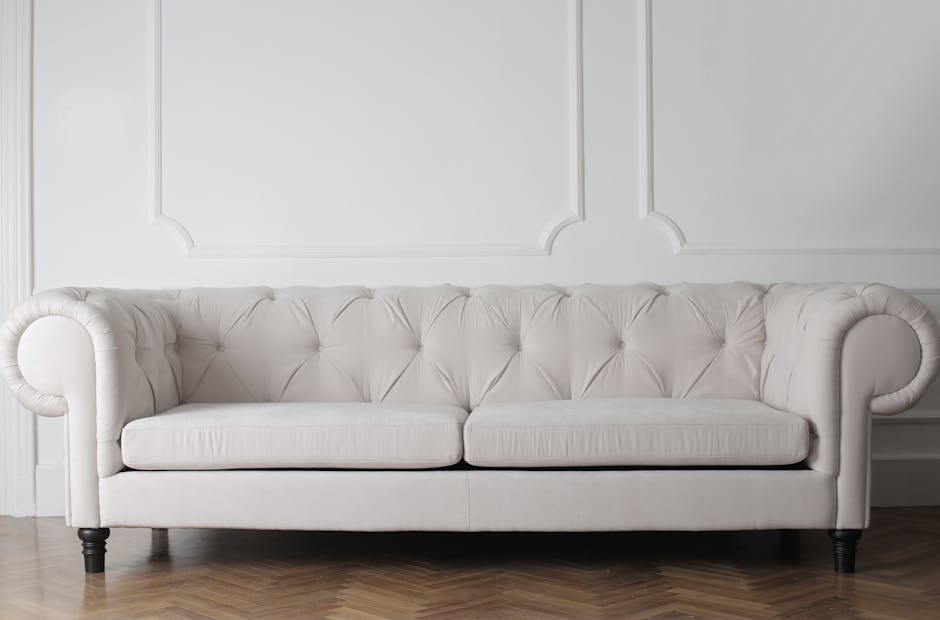
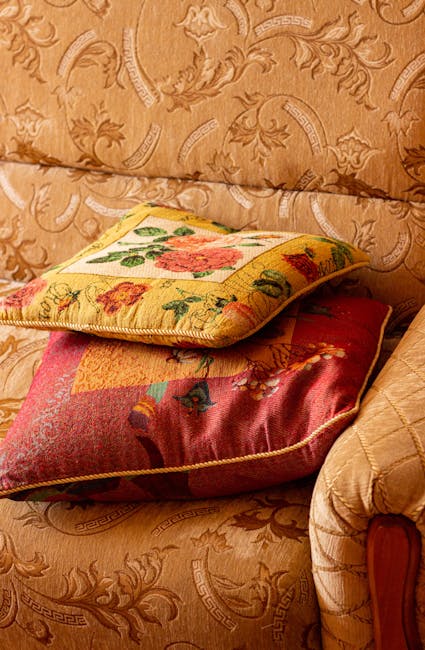
Upholstery cleaning near Kentish Town station NW5: a practical local guide for sofas, chairs, and everyday fabric care
If you live, work, or rent close to Kentish Town station, you already know how quickly sofas, armchairs, and dining chairs pick up the signs of daily life. A bit of rain on a coat, takeaway crumbs, pet hair, nursery spills, coffee, traffic dust, and suddenly the fabric looks tired. That is where Upholstery cleaning near Kentish Town station NW5 becomes less of a luxury and more of a sensible bit of upkeep.
This guide explains what upholstery cleaning actually involves, how it works, who it suits, and how to judge whether a fabric item is ready for a professional clean. You will also find practical tips, a comparison table, a checklist, and a few local realities that make a difference in NW5 flats, houses, and office spaces. To be fair, upholstery is one of those things people only think about once it starts looking a bit grim. Better late than never.
Along the way, we will also point you to useful related pages, including upholstery cleaning in Kentish Town, the broader services overview, and other helpful local resources such as pricing and quotes and insurance and safety.
Table of Contents
- Why Upholstery cleaning near Kentish Town station NW5 Matters
- How Upholstery cleaning near Kentish Town station NW5 Works
- Key Benefits and Practical Advantages
- Who This Is For and When It Makes Sense
- Step-by-Step Guidance
- Expert Tips for Better Results
- Common Mistakes to Avoid
- Tools, Resources and Recommendations
- Law, Compliance, Standards, or Best Practice
- Options, Methods, or Comparison Table
- Case Study or Real-World Example
- Practical Checklist
- Conclusion
- Frequently Asked Questions
Why Upholstery cleaning near Kentish Town station NW5 Matters
Upholstered furniture does more than sit there looking nice. It absorbs everyday life. Skin oils, dust, food particles, pet dander, and airborne grime all settle into fabric fibres and padding. In a busy part of London like Kentish Town, where homes often sit close to main roads, transport links, and lively high streets, furniture can collect dirt faster than people expect.
That matters for two reasons. First, appearance. A sofa in a bright living room can look dull long before it is actually worn out. Second, hygiene. Fabric items can hold odours and residues that regular vacuuming simply does not remove. If you have visitors coming, are preparing for a tenancy change, or just want your home to feel fresher, a proper clean can make a real difference.
There is also the practical side. A well-cleaned sofa or chair can last longer, and that can save money over replacing it. In a compact NW5 flat, where furniture has to work hard and every piece matters, keeping upholstery in good condition is just common sense.
Expert summary: upholstery cleaning is not only about removing visible marks. It is about restoring fabric freshness, reducing built-up soil, and helping furniture last longer in real everyday use.
For people moving in or out locally, this often sits alongside other maintenance jobs. A deeper clean may pair well with end of tenancy cleaning in Kentish Town, especially where rented furniture or soft furnishings have taken a beating. If you are organising broader household upkeep, domestic cleaning in Kentish Town can help keep the whole place on a steadier footing.
How Upholstery cleaning near Kentish Town station NW5 Works
Professional upholstery cleaning is usually a staged process, not a single spray-and-go job. The method depends on the fabric, the level of soiling, and the construction of the furniture. A good cleaner should start by identifying the fabric type and checking the manufacturer's care label if available. That step matters more than people think. Velvet, wool blends, synthetic fibres, linen mixes, and leather all need different handling.
Most services will begin with dry soil removal. That means thorough vacuuming, sometimes with special attachments to get into seams, piping, and cushion edges. Then comes pre-treatment: a suitable solution is applied to loosen grime, stains, and traffic marks. After that, one of several cleaning methods may be used.
The most common approaches include:
- Hot water extraction for many fabric sofas and chairs, where cleaning solution and water are applied and extracted with a machine.
- Low-moisture or encapsulation cleaning for some fabrics and lighter maintenance work.
- Dry cleaning methods for delicate materials that should not be over-wetted.
- Specialist spot treatment for stains such as drink spills, grease, or makeup.
After cleaning, the fabric is usually groomed and left to dry with as much airflow as possible. In a real London home, that can mean opening windows, using a fan, or just keeping the room warm and ventilated. Simple, but effective. Nothing glamorous, just the bit that helps avoid that slightly damp upholstery smell nobody wants.
A careful technician will also explain what can and cannot be improved. Some marks are stains, some are fibre damage, and some are colour changes caused by sun exposure or wear. The honest bit matters. You do not want promises that sound too good to be true, because often they are.
Key Benefits and Practical Advantages
The main benefit is obvious: cleaner furniture. But the value goes beyond that. A proper upholstery clean can improve how your home feels day to day. Sofas smell fresher, chairs look brighter, and the room feels more looked after. It sounds small, but it changes the whole mood of a space.
Here are the practical advantages people usually notice:
- Better appearance - fabrics look revived rather than flat and grey.
- Odour reduction - useful for homes with pets, children, smokers, or frequent cooking aromas drifting through.
- Stain improvement - many fresh and moderate marks respond well to proper treatment.
- Longer furniture life - removing abrasive dirt can help reduce wear.
- More comfortable living - a clean sofa just feels nicer to sit on, full stop.
- Better first impressions - handy for viewings, guests, landlords, and offices.
For offices near Kentish Town station, clean upholstery is also part of presentation. Reception seating, breakout chairs, and meeting room furniture all affect how a space feels. If you are reviewing workplace upkeep, office cleaning in Kentish Town may be worth looking at as part of a wider maintenance plan.
And let's not ignore the emotional side. A clean armchair by the window, a sofa that no longer smells faintly of old coffee, a dining chair without that mystery mark from last winter - these things make home feel calmer. Not dramatic. Just better.
Who This Is For and When It Makes Sense
This service suits a surprisingly wide range of people. If you own a sofa, frankly, you are in the target group. But certain situations make it especially worthwhile.
Homeowners and tenants
If your furniture is a few years old but still structurally sound, cleaning can restore a lot of its original character. Tenants often need it when moving out, especially if a sofa or chair has noticeable wear from daily use.
Families with children
Children are brilliant. Also messy. Juice, snack crumbs, marker traces, and the occasional sticky surprise can settle into fabric very quickly. A deep clean can help reset things between the chaos.
Pet owners
Pet hair and odour are the obvious issues, but claws and fur oils can also affect fabric texture. If your dog loves the sofa a bit too much, you are not alone.
People hosting often
If friends and family stop by regularly, or you are planning an event, it makes sense to refresh furniture before guests arrive. If you are also organising a local gathering, you might find the article on great places for parties in Kentish Town useful for inspiration.
Buyers, sellers, and landlords
Anyone preparing a property for viewings will benefit from fresher upholstery. It helps a room feel move-in ready. That can matter whether you are buying, selling, or letting. For broader local context, the guides on house buying in Kentish Town and Kentish Town real estate investment offer useful perspective.
When does it make sense? If the fabric looks dull, smells stale, has visible traffic marks, or simply has not been cleaned in a long while, that is usually enough reason. You do not need a disaster before booking. In fact, waiting until it is a disaster often makes the job harder.
Step-by-Step Guidance
If you want to know what a sensible upholstery cleaning process looks like, here is the usual flow. Different companies may vary a little, but the outline stays fairly similar.
- Inspect the furniture
Check the fabric type, construction, and condition. A good cleaner looks for colourfastness issues, delicate trims, loose stitching, and prior damage before starting. - Vacuum thoroughly
Dry soil is removed first. This is not a cosmetic step. It stops grit from being worked deeper into the fibres. - Identify stains and problem areas
Fresh spills, old marks, armrest grime, and headrest oils all need different treatment. The cleaner should not treat everything with the same product. - Pre-treat appropriately
A suitable solution is used to loosen embedded dirt. This needs judgement. Too much product can leave residue; too little may do very little. - Clean using the right method
Depending on the material, the cleaner may use hot water extraction, low-moisture cleaning, or a specialist dry method. - Extract or remove residue
This helps prevent sticky fabric, rapid resoiling, or patchy results. - Groom and dry
Fibres may be brushed in one direction. Good airflow is encouraged. If possible, keep the room ventilated after the visit. - Review the result
A professional should walk you through what improved, what remains, and any aftercare advice.
A realistic point here: not every stain disappears completely. Sometimes the goal is meaningful improvement, not magic. That is still a win. Truth be told, honest expectations lead to better satisfaction than glossy promises.
Expert Tips for Better Results
If you want better results from upholstery cleaning near Kentish Town station NW5, a few simple habits make a noticeable difference. None of them are fancy.
- Vacuum before the appointment if you can. It saves time and improves the starting point.
- Point out problem areas. Fresh spills, pet spots, and old marks should be flagged early.
- Check the care label. If the label says professional cleaning only, that is worth respecting.
- Move small items in advance. Lamps, cushions, and side tables can slow the visit down if they are left in place.
- Open windows after cleaning. Better airflow means faster drying and less chance of lingering moisture.
- Test in a less visible area where needed. This is especially important for delicate or colour-sensitive fabrics.
- Act quickly on spills. Blot, do not scrub. Scrubbing can spread the stain and damage the pile.
One practical tip that gets overlooked: if you are having multiple services done, schedule upholstery after heavier dust-producing work where possible. For example, if carpet cleaning is also needed, consider coordinating with carpet cleaning in Kentish Town. That way you avoid cleaning the sofa and then dusting plaster from a nearby job straight back onto it. Bit frustrating otherwise.
And if you are comparing providers, ask how they handle delicate fabrics. The answer should be clear, calm, and specific. If it sounds vague, that is your clue.
Common Mistakes to Avoid
Upholstery cleaning is not difficult to understand, but it is easy to get wrong. A few common mistakes cause most of the problems people complain about later.
- Using too much water - over-wetting can leave long drying times and may cause odours or water marks.
- Scrubbing stains aggressively - that can push the stain deeper or rough up the fibres.
- Ignoring the fabric type - what works on synthetic blend seating may ruin a delicate natural fabric.
- Cleaning without testing - especially risky on colour-rich or patterned upholstery.
- Expecting every mark to vanish - some stains are permanent or partly permanent.
- Not drying properly - a clean sofa that stays damp too long can become a problem of its own.
- Choosing only on price - the cheapest quote is not always the best value if it ignores proper care.
There is also a subtle mistake people make: cleaning too infrequently, then hoping for one heroic session to fix everything. Sometimes it works. Often it does not. Regular care is easier, cheaper, and less stressful.
Tools, Resources and Recommendations
Understanding the tools involved helps you judge whether a provider is serious. You do not need to become a technician yourself, but a bit of knowledge goes a long way.
Typical equipment includes:
- Professional vacuum equipment with upholstery attachments
- Pre-treatment sprays or solutions matched to fabric and soil type
- Extraction machines for water-based cleaning methods
- Hand tools and spotting equipment for seams, cushions, and awkward edges
- Protective items such as gloves, cloths, and floor protection where appropriate
Useful service pages to review before booking include about us for background, payment and security if you want reassurance about checkout, and the complaints procedure so you know how issues are handled. A decent company should not hide that sort of information. It builds trust.
If you are planning a bigger clean around the home, the house cleaning service in Kentish Town can be a practical companion to upholstery care. That broader approach often gives the room a more complete reset.
For readers interested in the neighbourhood itself, the local article why Kentish Town is a nice companion read. It gives a bit of local context, which is always helpful when you are choosing services in a specific part of London.
Law, Compliance, Standards, or Best Practice
Upholstery cleaning is not usually a highly regulated consumer service in the way that, say, electrical work is. Even so, there are important best-practice expectations that customers should look for.
First, safe handling of cleaning chemicals matters. Any reputable cleaner should use products appropriately, follow manufacturer guidance, and take care around occupants, pets, and ventilation. If you have allergies, asthma, or sensitivities, tell the provider in advance so they can adapt where possible.
Second, insurance and public safety are worth checking. Furniture cleaning often takes place inside your home or workplace, so you want a provider with suitable precautions in place. If a company has clear information on insurance and safety and a visible health and safety policy, that is a good sign they take the work seriously.
Third, consumer transparency matters. Pricing, scope, limitations, and aftercare should be explained clearly. If you need more detail before booking, a straightforward pricing and quotes page helps set expectations. And yes, if a provider seems oddly cagey about what is included, that is a red flag. Small one, but still a red flag.
For organisations, there may also be data-handling and access considerations. It can be useful to review the company's privacy policy and accessibility statement, especially if booking arrangements are made for staff, tenants, or vulnerable residents.
Options, Methods, or Comparison Table
If you are deciding which cleaning method suits your furniture, the table below gives a simple comparison. Not every item is a perfect fit for every method, so the fabric and condition always come first.
| Method | Best for | Strengths | Things to watch |
|---|---|---|---|
| Hot water extraction | Many synthetic and durable fabric sofas | Deep cleaning, good for general soiling and odour reduction | May require longer drying time |
| Low-moisture cleaning | Light maintenance and some busy homes | Quicker drying, useful between deeper cleans | May be less aggressive on heavy stains |
| Dry cleaning | Delicate fabrics or items sensitive to water | Lower moisture risk, suitable for certain materials | Needs the right products and experience |
| Spot treatment only | Small, isolated marks | Targeted and efficient for specific stains | Won't refresh the whole piece |
So which is best? That depends. If your sofa is broadly dirty, a deeper extraction method is often appropriate. If the piece is delicate or only lightly marked, a gentler approach may be wiser. The key is matching method to material, not forcing one routine onto everything. Simple idea, but it saves a lot of bother.
Case Study or Real-World Example
Picture a two-bedroom flat near Kentish Town station, with a fabric corner sofa that has been used hard for a few years. There is a faint coffee mark on one arm, some darkening where people always sit, and a general stale smell after the windows have been shut for winter. Nothing dramatic. Just the sort of lived-in look that creeps up slowly.
The cleaner starts by checking the label and testing a small area. The sofa is vacuumed thoroughly, especially under the cushions and along the seams where biscuit crumbs and dust collect like they pay rent. Then a pre-treatment is applied to the main traffic areas and the coffee mark. After that, the suitable cleaning method is used with controlled moisture, followed by extraction and drying support.
The result is not a brand-new sofa. That would be nonsense. But the greyed fabric looks brighter, the armrest mark is much less obvious, and the room no longer carries that stale, lived-in smell. The owner notices something else too: once the sofa looks fresher, the whole room feels tidier, even though nothing else changed.
That is the real value of upholstery cleaning in a busy local area. It makes the space feel looked after again. Quietly. Without fuss.
Practical Checklist
Use this checklist before booking or before the cleaner arrives.
- Identify the item: sofa, armchair, dining chair, headboard, or ottoman
- Check the fabric label if available
- Note any stains, odours, wear spots, or damage
- Decide whether nearby carpet or floor cleaning is also needed
- Move small items away from the work area
- Vacuum the piece lightly if possible
- Ask about the cleaning method for your fabric type
- Confirm whether drying time will be the same day or longer
- Ask what aftercare is recommended
- Make sure ventilation is possible after the clean
- Review service details, pricing, and payment terms in advance
If you want a more complete local clean, it can help to look at the wider services overview and decide whether to bundle anything together. That often keeps the whole process easier to manage.
Little tip: if you have a sofa bed, mention it early. People forget that one all the time.
Get a free quote today and see how much you can save.
Conclusion
Upholstery cleaning near Kentish Town station NW5 is about more than making furniture look better for a day or two. Done well, it helps protect your fabrics, improves comfort, reduces odours, and makes your home or workplace feel genuinely fresher. It is also one of those jobs where choosing the right method matters more than flashy promises.
If you are comparing options, focus on fabric knowledge, transparency, safety, drying time, and honest expectations. That combination usually leads to better results than chasing the lowest price or the fastest turnaround. And in a busy part of London, where homes and offices work hard, that kind of practical care really pays off.
Whether you are freshening up a family sofa, preparing a rental for inspection, or simply tired of staring at the same old marks every evening, the next step is straightforward. Ask the right questions, choose a provider who explains things clearly, and give your furniture the reset it deserves. Small improvement, big difference. Strange how often that is true.
Frequently Asked Questions
How often should I book upholstery cleaning near Kentish Town station NW5?
It depends on use. A busy family sofa, a pet-friendly home, or a shared office seat may need attention more often than a guest-room chair. Many people book when visible soiling, odour, or dullness starts to show rather than waiting for a fixed date.
Can upholstery cleaning remove old stains?
Sometimes, yes, but not always completely. Fresh stains are usually easier to improve than older ones. The cleaner should assess the mark honestly and explain what level of improvement is realistic before starting.
Is upholstery cleaning safe for delicate fabrics?
It can be, if the method matches the fabric. Delicate materials may need low-moisture or dry cleaning techniques. A proper inspection and test spot help reduce risk, especially with natural fibres or colour-sensitive fabrics.
How long does upholstery take to dry?
Drying time varies by fabric, room temperature, airflow, and the method used. Some items dry fairly quickly, while deeper cleans may need longer. Ventilation helps. In a London flat, opening windows and using a fan can make a real difference.
What should I do before the cleaner arrives?
Clear small items, point out stains, and check the fabric label if you can. It also helps to ensure there is space around the furniture and a nearby power source if required. A bit of prep saves time and keeps things smooth.
Will upholstery cleaning get rid of pet smells?
Often it improves them a great deal, especially if the odour is caused by everyday buildup rather than deep damage. If the smell comes from urine or severe contamination, the cleaner should assess the item carefully and advise on the likely outcome.
Is steam cleaning always the best option?
No. Steam or hot water extraction is useful for many fabrics, but not all. Some items are better treated with lower moisture methods or specialist dry cleaning. The best approach depends on the fabric and its condition.
How much does upholstery cleaning cost near Kentish Town station NW5?
Prices vary by item size, fabric type, condition, and method used. It is better to request a tailored quote than rely on a guess. A clear pricing page, such as pricing and quotes, is a useful starting point.
Can I clean my sofa myself?
You can do light maintenance such as vacuuming and prompt blotting of spills. However, deeper cleaning is trickier. Using the wrong product or too much water can create bigger problems, so professional help is usually safer for valuable or delicate items.
Does upholstery cleaning help with allergens?
It can reduce built-up dust and some allergen-bearing debris in the fabric, which may improve freshness. It is not a medical treatment, of course, but regular cleaning can contribute to a cleaner indoor environment.
What is the difference between upholstery cleaning and carpet cleaning?
Both remove dirt from fabric surfaces, but upholstery work is more delicate because furniture materials, stitching, stuffing, and drying needs are different. If you need both, combining services can be efficient, and carpet cleaning in Kentish Town is a logical companion service.
How do I know if a cleaning company is trustworthy?
Look for clear service information, insurance details, safety guidance, transparent pricing, and practical communication. Pages like about us and insurance and safety can help you judge whether the company takes its responsibilities seriously.
For anyone living or working nearby, good upholstery care is one of those quietly satisfying jobs that makes everything else feel a bit more in order. And honestly, that matters more than people admit.