End of tenancy cleaning for properties on Crowndale Road
Moving out is rarely glamorous. Boxes are everywhere, the kettle is somehow packed too early, and you're trying to remember whether the light fitting in the hallway looked dusty before you moved in. That is exactly why End of tenancy cleaning for properties on Crowndale Road matters so much: it helps you hand back the property in the best possible condition, reduce avoidable disputes, and move on without that nagging feeling that something was missed.
Crowndale Road sits in a part of London where homes are often lived in hard and fast. That usually means a proper exit clean is more than a quick tidy-up. It needs a methodical approach, attention to detail, and a realistic understanding of what landlords, letting agents, and inventory clerks typically look for. In this guide, you'll find a clear breakdown of how it works, what to prioritise, common mistakes to avoid, and how to decide whether to do it yourself or book a professional service. If you also want a broader view of local services, our services overview is a useful place to start.
Table of Contents
- Why End of tenancy cleaning for properties on Crowndale Road Matters
- How End of tenancy cleaning for properties on Crowndale Road Works
- Key Benefits and Practical Advantages
- Who This Is For and When It Makes Sense
- Step-by-Step Guidance
- Expert Tips for Better Results
- Common Mistakes to Avoid
- Tools, Resources and Recommendations
- Law, Compliance, Standards, or Best Practice
- Options, Methods, or Comparison Table
- Case Study or Real-World Example
- Practical Checklist
- Conclusion
- Frequently Asked Questions
Why End of tenancy cleaning for properties on Crowndale Road Matters
End of tenancy cleaning is the final deep clean carried out before a tenant returns the keys. It is usually more detailed than routine domestic cleaning, and in practical terms it aims to bring the property back to a condition that matches the tenancy agreement, the check-in inventory, and fair wear-and-tear expectations.
On Crowndale Road, where flats and maisonettes can see a lot of day-to-day use, the difference between "generally tidy" and "properly cleaned" really shows. Oven grease, bathroom limescale, skirting-board dust, fridge spills, carpet marks, and window smears can all stand out once furniture is removed. Truth be told, these are the exact little things that often trigger deposit deductions or awkward follow-up emails.
It also matters because moving out is already stressful enough. If you've got a deadline, a van booked, and keys due back by lunchtime, you do not want to be on your hands and knees scrubbing behind a radiator at 9pm. A focused end-of-tenancy clean helps you get the job done once, properly.
For landlords and agents, a clean property is easier to re-let quickly. For tenants, it is about professionalism, peace of mind, and showing you've left the place respectfully. That's the real point. Not perfection for its own sake, just a fair and tidy handover.
How End of tenancy cleaning for properties on Crowndale Road Works
A proper end-of-tenancy clean follows a structured sequence. It starts with an assessment of the property, then moves room by room, focusing on high-touch areas and the areas most likely to be checked during the final inspection.
In a typical flat on Crowndale Road, the cleaning process usually includes:
- dusting and wiping all reachable surfaces
- cleaning kitchen units inside and out
- degreasing the hob, extractor, splashbacks, and oven
- descaling bathroom fittings, taps, tiles, and shower screens
- vacuuming and cleaning carpets or hard floors
- wiping internal doors, handles, switches, and skirting boards
- cleaning windows, sills, and frames where accessible
- emptying bins and removing residue from cupboards, drawers, and shelves
Sometimes the job also includes specialist work like carpet cleaning in Kentish Town or upholstery cleaning, especially if the tenancy agreement expects the property to be returned in a professionally cleaned condition. Soft furnishings can hold onto smells and marks in a way people underestimate. Open the curtains on a grey London morning and you'll see it instantly, annoying but true.
Professional cleaners usually bring stronger equipment, better detergents for stubborn marks, and a rhythm that comes from doing this sort of work often. That does not mean DIY is impossible. It just means the standard needs to be high and consistent, not rushed.
Key Benefits and Practical Advantages
There are a few obvious benefits, and a few that only become obvious later.
- Better chance of a smooth deposit return because cleaning is one of the most common areas of dispute.
- Less last-minute stress on moving day, which is worth a lot when you're juggling keys, removals, and paperwork.
- A stronger impression during inspection if the letting agent visits before handover.
- Cleaner air and surfaces after move-out, especially in kitchens and bathrooms where residue builds up.
- Quicker turnaround for landlords who want the property ready for new tenants without delay.
There's also a practical, less talked-about advantage: a thorough clean often reveals maintenance issues. You may notice a leak under the sink, a cracked tile, or a damaged blind only once everything is cleared and cleaned. That gives you a chance to report problems early rather than discover them through a surprised inventory note. Small thing, big difference.
If you're comparing property upkeep options beyond the move-out clean, it can help to look at domestic cleaning in Kentish Town or even house cleaning services for ongoing maintenance between tenancies. A clean property is easier to keep clean. Sounds obvious, but there you go.
Who This Is For and When It Makes Sense
This service is for tenants, landlords, and letting agents who need a property brought back to a high standard at the end of a tenancy. It makes particular sense if:
- you are moving out of a rented flat or house on Crowndale Road
- the tenancy agreement expects professional-level cleaning
- the property has carpets, upholstery, or oven grease that need specialist attention
- you have a limited move-out window and cannot spare a full day
- you want to reduce the chance of disputes over cleanliness
It is also a sensible option for landlords preparing for new occupancy. If a property has sat empty for a while, dust, stale smells, and bathroom residue can creep in even when nobody has been living there. A good clean resets everything.
If you are new to the area, our local guide with advice from local residents gives helpful context about the neighbourhood and what daily life around here tends to look like. And if you're moving into a different place after the tenancy ends, the local article on house buying in Kentish Town may also be useful reading, even if you're just browsing at this point.
Step-by-Step Guidance
If you want a clean result rather than a frantic one, the process matters. Here's a simple way to handle it.
- Read the tenancy agreement carefully. Look for clauses on professional cleaning, carpet cleaning, oven cleaning, or specific handover requirements.
- Check the inventory report. This gives you a baseline for what the property looked like at move-in. It's not glamorous reading, but it's useful.
- Declutter first. Nothing can be cleaned properly if items are still in the way. Clear cupboards, shelves, drawers, and under-sink spaces.
- Work from top to bottom. Dust high points first so dirt does not fall onto already-clean surfaces.
- Use room-specific methods. Kitchens need degreasing. Bathrooms need limescale removal. Bedrooms may need attention to skirtings, wardrobes, and carpet edges.
- Finish with floors. Vacuum first, then mop or deep clean hard flooring. For carpets, use the right extraction or shampoo method if needed.
- Do a final inspection in daylight. Morning or early afternoon light shows streaks, marks, and dust much better than warm indoor lighting.
- Take photos. Keep a record of the condition at handover. It's a small step that can save a headache later.
One practical tip: start in the room you dislike most. People usually save the kitchen or bathroom for last, which is fair enough until the energy has completely evaporated. Better to tackle the tough bit while you still have momentum.
Room-by-room priorities
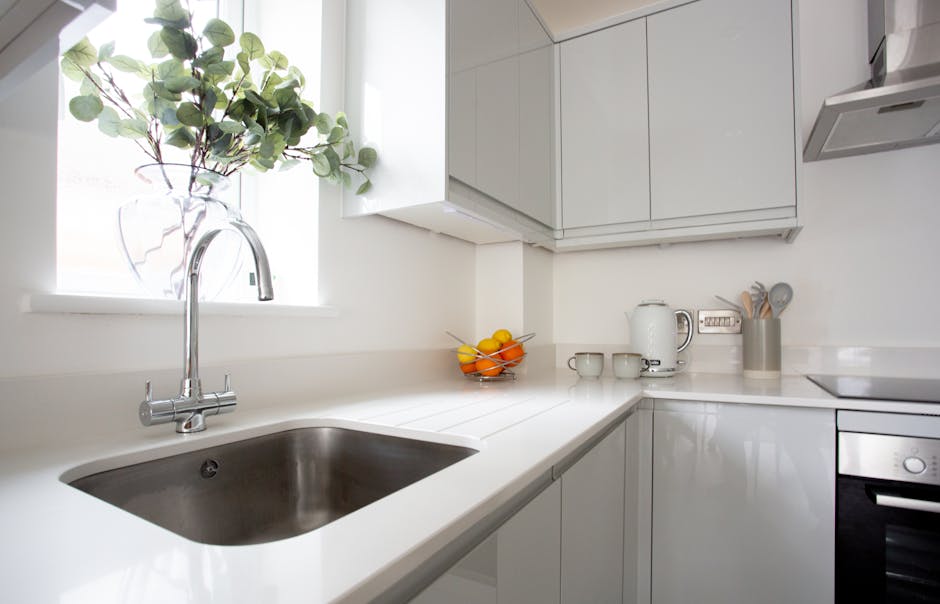
Kitchen: Oven, hob, extractor hood, splashbacks, cupboard fronts, sink, taps, fridge, freezer, and bin area.
Bathroom: Toilet, bath, shower screen, grout lines, limescale, mirror, tiles, extractor fan, and sealant edges.
Living room and bedrooms: Skirting boards, sockets, switches, window ledges, wardrobe interiors, light fittings, and carpets or flooring.
Hallways and entry points: These are often overlooked, yet they are the first thing people see when they walk in. Dusty corners in a narrow hallway can make the whole place feel less cared for than it really is.
Expert Tips for Better Results
Here's where a bit of experience helps.
Use the right products for the right residue. Grease, limescale, soap scum, and general dust all behave differently. A universal spray is fine for light maintenance, but it will struggle on old bathroom scale or baked-on oven grime. Don't bully the cleaner with the wrong product; that's a losing battle.
Let products dwell for a little while. If you spray a bathroom surface and wipe it immediately, you may miss the point. Most cleaning agents need a short dwell time to loosen dirt. Read the label, then give it a minute or two.
Pay attention to edges and hidden spots. Under appliances, behind taps, around hinges, along skirting, inside cupboard lip lines. Those are the places that get checked more often than people expect.
Don't forget odour control. A clean-looking flat can still feel stale if bins, fridges, fabrics, or drains have lingering smells. Airing the property out helps, and soft furnishings may need a deeper clean if smells have soaked in.
Book specialist help where it counts. If carpets are visibly marked or upholstery has picked up tenant wear, a dedicated service can be worth it. Our end of tenancy cleaning service in Kentish Town is designed for exactly this kind of move-out situation, and for many properties it makes the whole process far less painful.
Sometimes the best advice is simple: don't leave the trickiest jobs until the last hour. The oven, the shower screen, and the fridge smell when empty. They'll always wait for you to get tired, the little villains.
Common Mistakes to Avoid
Most end-of-tenancy issues come down to a handful of avoidable mistakes. The good news is that they're easy to spot if you know what to look for.
- Starting too late. A rushed clean rarely feels finished, and it usually isn't.
- Ignoring the inventory. This is the best reference point you have, so use it.
- Forgetting inside cupboards and appliances. Empty does not equal clean.
- Using too much product. Residue can leave streaks, stickiness, or dull surfaces.
- Skipping light fittings, skirting boards, and switches. Small areas, big visual impact.
- Assuming carpets are "fine". They often need more than a vacuum, especially near entrances and under furniture.
- Not checking the property in daylight. Artificial light can hide a lot, for better or worse.
A very common one: people clean around their possessions instead of clearing the space properly. It feels quicker in the moment. It almost never is.
Tools, Resources and Recommendations
You do not need a mountain of equipment, but you do need the right kit for the job. A tidy, well-chosen setup saves time and frustration.
| Tool or product | Best use | Helpful note |
|---|---|---|
| Microfibre cloths | Dusting and streak-free wiping | Use separate cloths for kitchen and bathroom areas |
| Vacuum cleaner with attachments | Carpets, corners, skirting, upholstery | Crevice tools are handy in narrow London flats |
| Degreaser | Ovens, hobs, splashbacks | Check surface compatibility before use |
| Descaler | Taps, shower screens, sinks, tiles | Let it sit briefly to break down buildup |
| Mop and bucket | Hard floor finishing | Change water regularly so you are not spreading dirt around |
| Scraper or non-abrasive pad | Stubborn marks on suitable surfaces | Avoid scratching delicate finishes |
| Protective gloves | General safety and comfort | Useful if using stronger products for long sessions |
For many people, the smartest move is a blend of DIY touch-up work and professional deep cleaning. A basic clear-out and surface tidy at home, then a specialist finish for carpets, upholstery, or the oven. That approach often feels more manageable than trying to do everything in one heroic weekend. Heroic weekends sound good until Sunday evening.
If you are comparing providers, you can also review practical details like pricing and quotes, plus trusted company information such as about us and insurance and safety. Those pages help you judge whether a service feels properly set up, not just cheap on the surface.
Law, Compliance, Standards, or Best Practice
End-of-tenancy cleaning in the UK is usually governed by the tenancy agreement, the inventory, and general expectations around returning the property in a reasonable condition. That means the exact requirement can vary from one tenancy to another. Some agreements require professional cleaning; others simply require the property to be returned clean to a good standard.
The safest approach is to check the paperwork carefully and follow any specific instructions. If the agreement says professional cleaning is required, it is wise to keep receipts or service records. If the agreement is less strict, a thorough self-clean may still be acceptable, provided the result matches the check-in condition apart from fair wear and tear.
Fair wear and tear is a useful phrase here. It generally refers to normal deterioration from everyday living, such as light carpet flattening or minor paint ageing. It does not usually cover heavy staining, food residue, grime, or neglect. The distinction matters, and letting agents will often focus on it during final inspections.
For your own protection, it helps to document everything. Take dated photos, keep messages about access or completion, and save invoices if any specialist services were used. If you've booked supporting services, the provider's terms and conditions and health and safety policy are worth a look too. Not thrilling reading, admittedly, but useful.
Options, Methods, or Comparison Table
There is no single right way to handle a move-out clean. The best choice depends on the property condition, your time, and how much risk you are comfortable taking on.
| Option | Best for | Pros | Trade-offs |
|---|---|---|---|
| DIY clean | Small, lightly used properties | Lower cash cost, full control | Time-consuming, easy to miss detail |
| Partial DIY + specialist extras | Most tenants | Balances budget and quality | Requires coordination |
| Full professional end-of-tenancy clean | Busy movers, larger or dirtier homes | More thorough, less stress, better consistency | Higher upfront cost |
If your flat has carpets, fabric sofas, or a very tired kitchen, the second or third option is often the most realistic. Professional carpet or upholstery support can make a noticeable difference to the overall finish. For example, if you want a deeper fabric refresh before inspection, see the local page on upholstery cleaning near Kentish Town Station.
Practical summary: if time is tight and the property has built-up dirt in the kitchen, bathroom, or soft furnishings, a professional clean is usually the safer route. If the home has been well maintained throughout the tenancy, a careful DIY clean with a final professional touch may be enough.
Case Study or Real-World Example
A typical Crowndale Road move-out might look like this. Imagine a second-floor flat with one bedroom, a compact kitchen, and a small bathroom. The tenant has kept the place reasonable overall, but everyday life has left its mark: a greasy hob, a slightly neglected oven shelf, light dust in the bedroom, and carpet marks near the sofa and bed.
The first pass is straightforward. Clear all items, empty bins, and remove the last bits from cupboards. Then clean the kitchen thoroughly, because that is where the eyes go first. Once the oven and worktops are sorted, the bathroom gets a careful descaling and a proper wipe-down of fixtures. After that, the living space and bedroom are cleaned top to bottom, with skirting boards, switches, and windowsills catching a surprising amount of dust. Finally, the carpets are vacuumed and treated where needed, because those entry paths and furniture positions always tell a story.
What changes the result is not magic. It is sequence. It is patience. And, to be fair, a bit of stubbornness about the corners most people would rather skip.
In a real handover, that kind of clean is often the difference between a quick inspection and a list of queries. Not every issue disappears, of course, but a well-executed clean removes a huge amount of avoidable friction.
Practical Checklist
Use this checklist before handing back keys.
- Read the tenancy agreement and inventory report
- Remove all personal belongings and rubbish
- Clean kitchen cupboards inside and out
- Degrease oven, hob, extractor, and splashbacks
- Descale bathroom taps, shower screens, tiles, and fittings
- Wipe doors, handles, switches, and skirting boards
- Dust shelves, ledges, light fittings, and window sills
- Vacuum carpets and edges carefully
- Clean hard floors thoroughly
- Check for odours in bins, fridge, and soft furnishings
- Inspect the property in daylight
- Photograph the finished condition
- Keep receipts or notes for any specialist work
If you want help beyond the move-out itself, you may also find useful background reading in our local guide to Kentish Town and the broader real estate investment guide, especially if you're a landlord planning the next tenancy cycle. A property's next chapter starts earlier than people think.
Conclusion
End-of-tenancy cleaning on Crowndale Road is really about control. Control over the standard of the handover, control over avoidable disputes, and control over how calmly you leave the property behind. Whether you clean it yourself or bring in specialist help, the best results come from planning, attention to detail, and a willingness to deal with the small things before they become the expensive things.
For many renters and landlords, the smartest move is to treat the final clean as part of the move itself, not a separate chore to panic about later. That mindset alone can make the whole process feel lighter. Less rushed. More sorted.
If you are comparing options or getting ready for an inspection, it is worth reviewing a few practical pages first, including payment and security and the complaints procedure, so you know where you stand before booking anything. A little clarity goes a long way.
Get a free quote today and see how much you can save.
And if you're standing in a half-empty room wondering whether you've remembered everything, take a breath. You probably have. One careful pass at a time is enough.
Frequently Asked Questions
What does end of tenancy cleaning usually include?
It normally includes a deep clean of the kitchen, bathroom, bedrooms, living areas, hallways, and floors. The exact scope depends on the tenancy agreement and property condition. In many cases, oven cleaning, carpet care, and internal window cleaning are also expected.
Do I need professional cleaning before moving out of a property on Crowndale Road?
Not always. Some agreements specifically require it, while others simply require the property to be returned clean and tidy. Always check the tenancy terms and inventory first. If the home has carpets, grease, or heavy use, professional help is often the safer option.
Will end of tenancy cleaning guarantee my deposit back?
No cleaning service can guarantee a full deposit return, because deductions can also relate to damage, missing items, or unpaid rent. What a thorough clean does is reduce the chance of cleanliness being used as a reason for a deduction. That is the real value.
How long does an end of tenancy clean take?
It depends on the size and condition of the property. A small, well-kept flat may take a few hours, while a larger or more worn home can take much longer. If specialist tasks like carpet or upholstery cleaning are needed, add extra time for that work.
Can I do the clean myself and still pass the inspection?
Yes, if the result is genuinely thorough and matches the expected standard. The key is not whether you hired a cleaner, but whether the property is left clean enough for the next tenant and consistent with the check-in condition, apart from fair wear and tear.
What areas do people most often forget during move-out cleaning?
Skirting boards, cupboard interiors, light switches, extractor fans, behind appliances, shower screens, and the tops of doors are common misses. These areas are easy to overlook because they do not stand out during everyday use, but they often stand out during an inspection.
Is carpet cleaning worth adding to the service?
Often, yes. Carpets can hold dust, marks, and odours even when they look acceptable at first glance. If the property has visible wear or the tenancy agreement asks for carpets to be professionally cleaned, it is usually worth considering. It can make the whole property feel fresher, too.
How far in advance should I book a cleaner?
As early as you can, especially near month-end or around busy moving periods. Leaving it until the final day is risky because access issues, extra tasks, or drying times can all create problems. A bit of lead time makes life easier, simple as that.
What should I do before the cleaners arrive?
Remove personal items, defrost the fridge or freezer if needed, empty cupboards, and make sure utilities are still on if water or electricity will be needed for the clean. If you are handling the job yourself, make sure you have enough supplies before you start.
Are landlords allowed to insist on professional cleaning?
Landlords can require the property to be returned clean, and some agreements do state that professional cleaning is necessary. However, the exact position depends on the wording of the tenancy and general UK tenancy practice. If in doubt, check the agreement and keep evidence of the final condition.
What if the property has unusual stains or damage?
Cleaning can remove a lot, but not everything. Some marks need specialist stain treatment, and some issues may be classed as damage rather than dirt. If you are unsure, it is better to flag the problem early and document it rather than hoping nobody notices.
Can you clean after the furniture has been removed?
Yes, and that is often the best time to do it. Once furniture is out, you can see hidden dust, floor marks, wall edges, and neglected corners much more clearly. It is amazing what appears when a sofa finally moves. Slightly alarming, too.